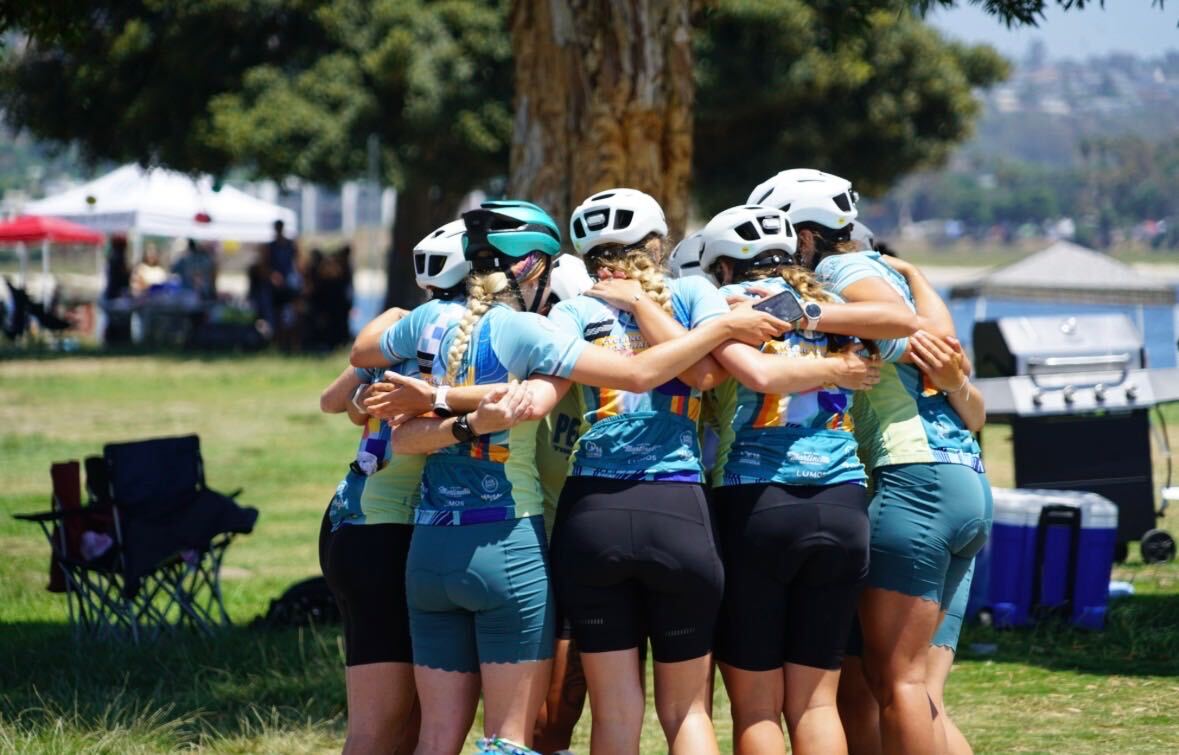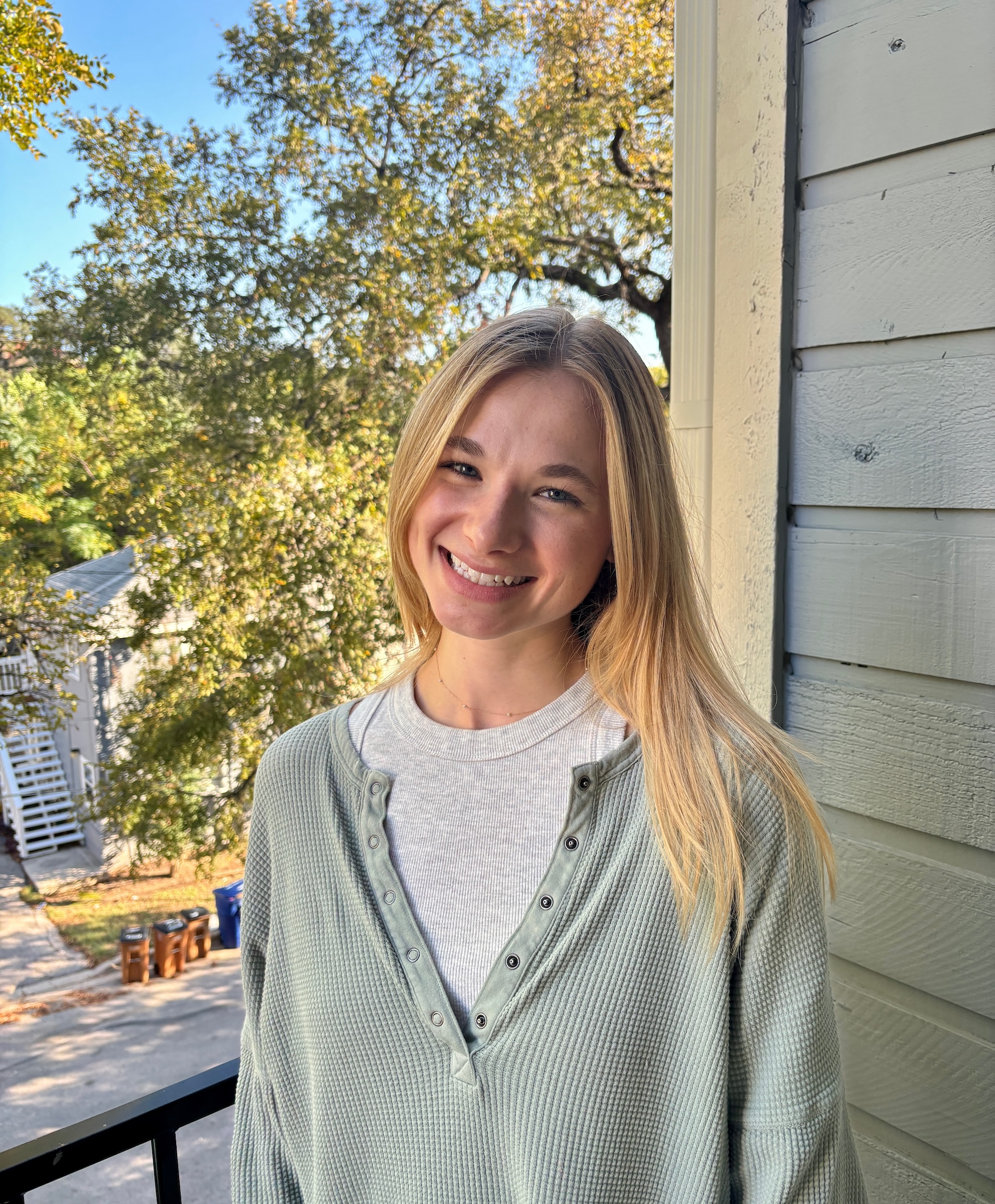
In 2022, a girl that I went to high school with posted about her incredible journey with Pedal the Pacific. I remember being in awe of her bravery, strength, and ability to fight for a cause bigger than herself. Then, in 2024, another friend from high school posted about that same organization. Again, I was struck by her dedication. I was so inspired, but I was still of the belief that I could never do that. Finally, in 2025, I saw that another person I knew would be biking the Pacific coast with Pedal the Pacific. It wasn’t until then, almost four years after I had first heard about Pedal, and after three girls showed me I could (shoutout Addison Simons, Chloe Aguilar, and Emily Nugyen!), that I found the courage to apply.
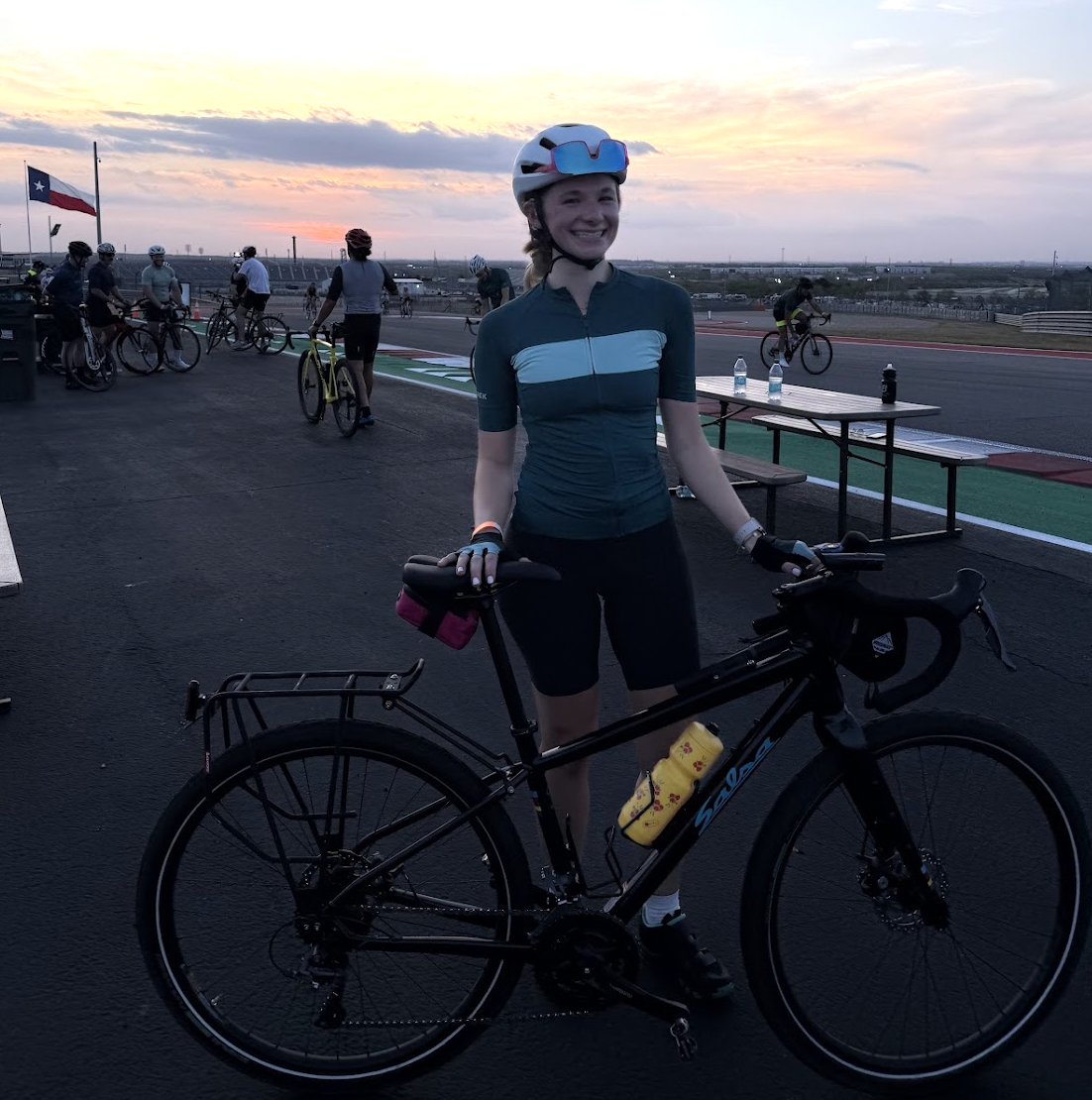
Throughout my academic career, I have developed and pursued a focus on women’s and sexual health. Although trafficking disproportionately affects women and children from marginalized communities, it was rarely discussed in classes and conversations surrounding sexual health justice. As a current graduate student studying Health Behavior and Health Education, I have been taught to consider that health is shaped by access and opportunity, and although trafficking is the fastest-growing organized crime and the third-largest criminal enterprise in the world, the field of public health seems to dismiss trafficking as a threat to health and health equity. It was this disconnect that pushed me to apply for Pedal the Pacific. I had found myself caught up in hopelessness about my ability to make a real impact on the world around me, and I wanted to channel that desire to make change and that energy to a cause that I’m passionate about, and one that I feel needs more awareness about its impact on health and equity.
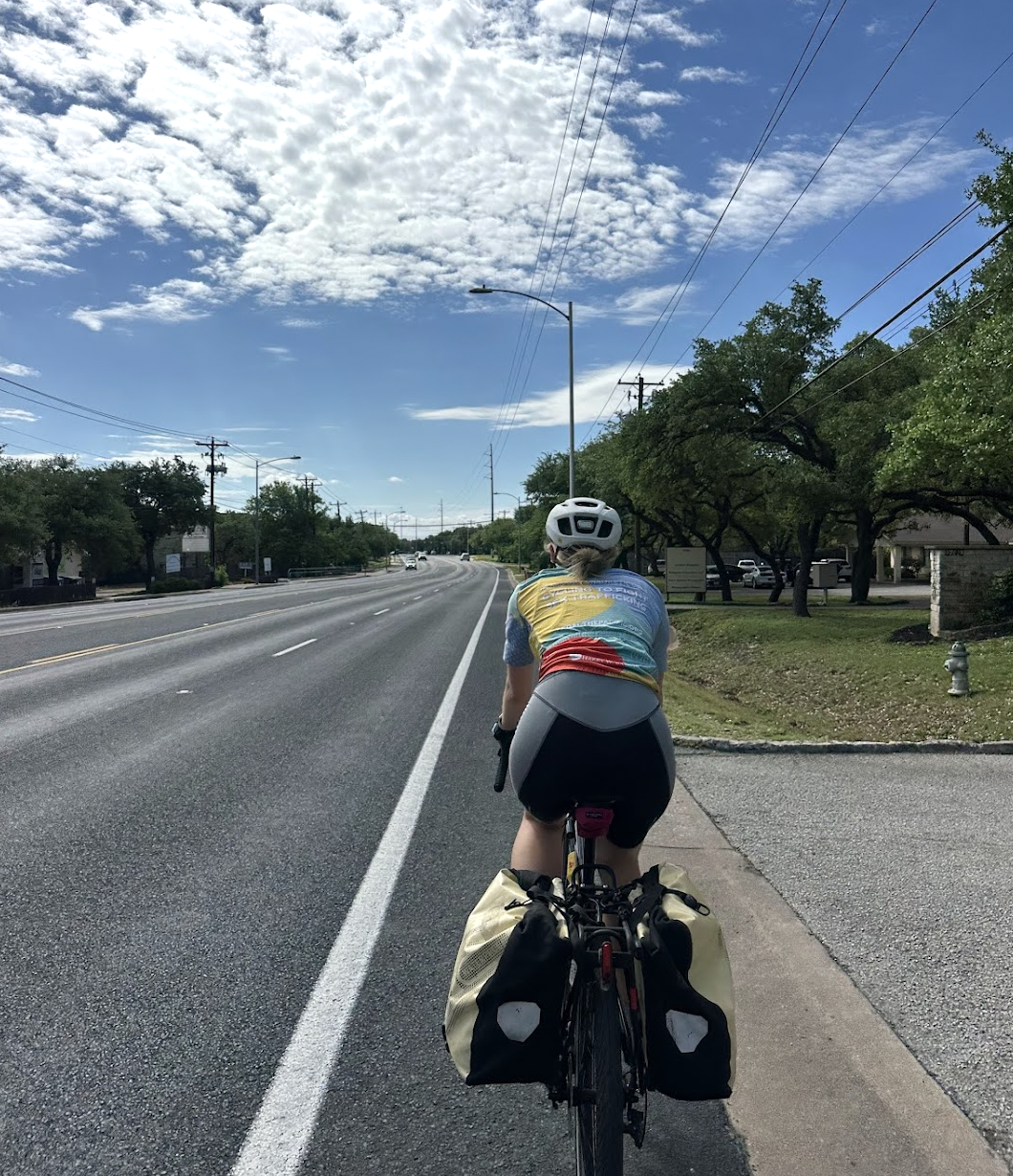
Pedal the Pacific has inspired me to think about trafficking in a deeper way, not just in terms of health equity, but in terms of justice. Although equity recognizes that certain populations face higher risks and need targeted, trauma-informed support and outreach that meets them where they are, justice goes even further by addressing the systems that create vulnerability in the first place, such as poverty, unstable housing, lack of legal protections, and barriers to healthcare and education. In the context of trafficking, justice means creating a world where people aren’t pushed into situations where exploitation becomes their only option. This perspective shapes why I ride: I ride because justice means more than responding to harm; it’s about creating a world where exploitation doesn’t happen in the first place.
This perspective shapes why I ride: I ride because justice means more than responding to harm; it’s about creating a world where exploitation doesn’t happen in the first place.
Riding 1,700 miles is a unique form of activism, and it’s one that has shown me how powerful small moments can be. I’ve seen how simply being on a bike, sharing our mission, and starting conversations can open people’s eyes and invite them into the fight against trafficking, and I ride knowing that even small actions can help move us closer to a more just world.