When I first learned how to ride a bike as a kid, the only things on my mind were having fun and making it home before the sun went down.
As I picked up biking again as an adult, the meaning shifted. When I joined Texas 4000 for Cancer and biked from Austin, Texas, to Anchorage, Alaska in 2025, I still had fun and chased the sun each day, but every ride carried a deeper purpose. Every ride was dedicated to someone else. Whether it was friends, family, teammates, and even strangers we met who shared their stories of courage and resilience, these people and their stories changed how I thought about endurance. Cycling became less about the miles and more about the people whose strength reminded me why we move forward, even when it’s difficult.
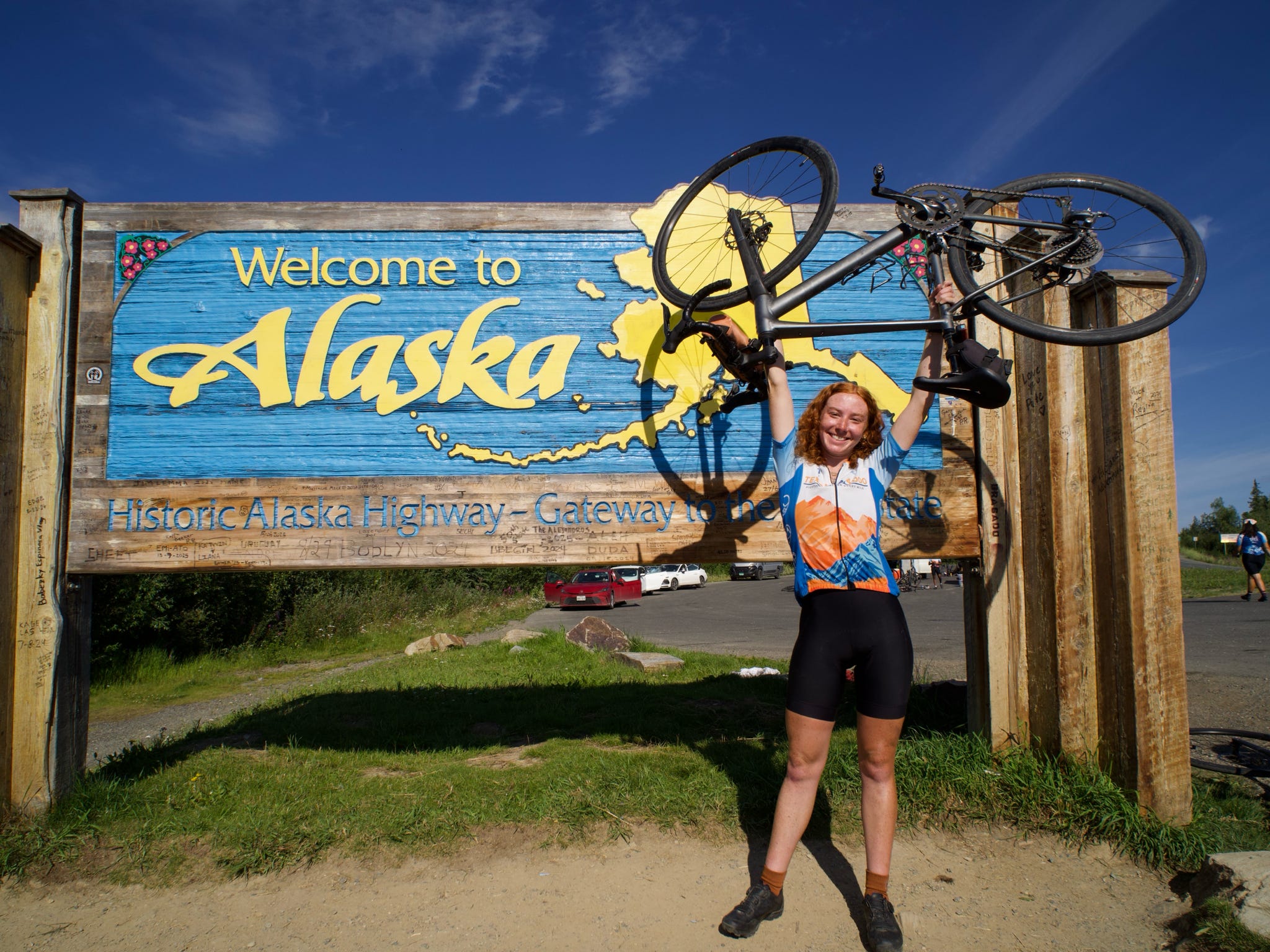
Through thousands of miles and countless conversations, cycling became an act of connection. It taught me that life is a gift, not a guarantee, and that every ride is a chance to slow down and truly listen to those around you. For me, riding became a way to practice empathy and recognize the power of shared humanity. This understanding is what drew me to Pedal the Pacific. Although at first, I hesitated to apply. I didn’t know much about sex trafficking, had no personal tie to the issue, and questioned whether I could meaningfully advocate for something I didn’t yet fully grasp. But the more I thought about it, the more I realized that hesitation itself was the reason I needed to apply. Staying silent because of uncertainty only allows injustice to thrive. Learning, speaking, and showing up, even imperfectly, are how awareness grows.
For me, riding became a way to practice empathy and recognize the power of shared humanity.
So I took the leap. I began to listen, learn, and connect. What started as curiosity turned into conviction. Through trainings, guest speakers, and other advocacy work, I discovered that trafficking intersects deeply with the areas I am most passionate about: education and equity. When people lack access to education, resources, support, and safety nets, they become more vulnerable to exploitation. Understanding that connection gave the cause a personal dimension and reinforced my commitment to addressing systemic inequality wherever it takes root.
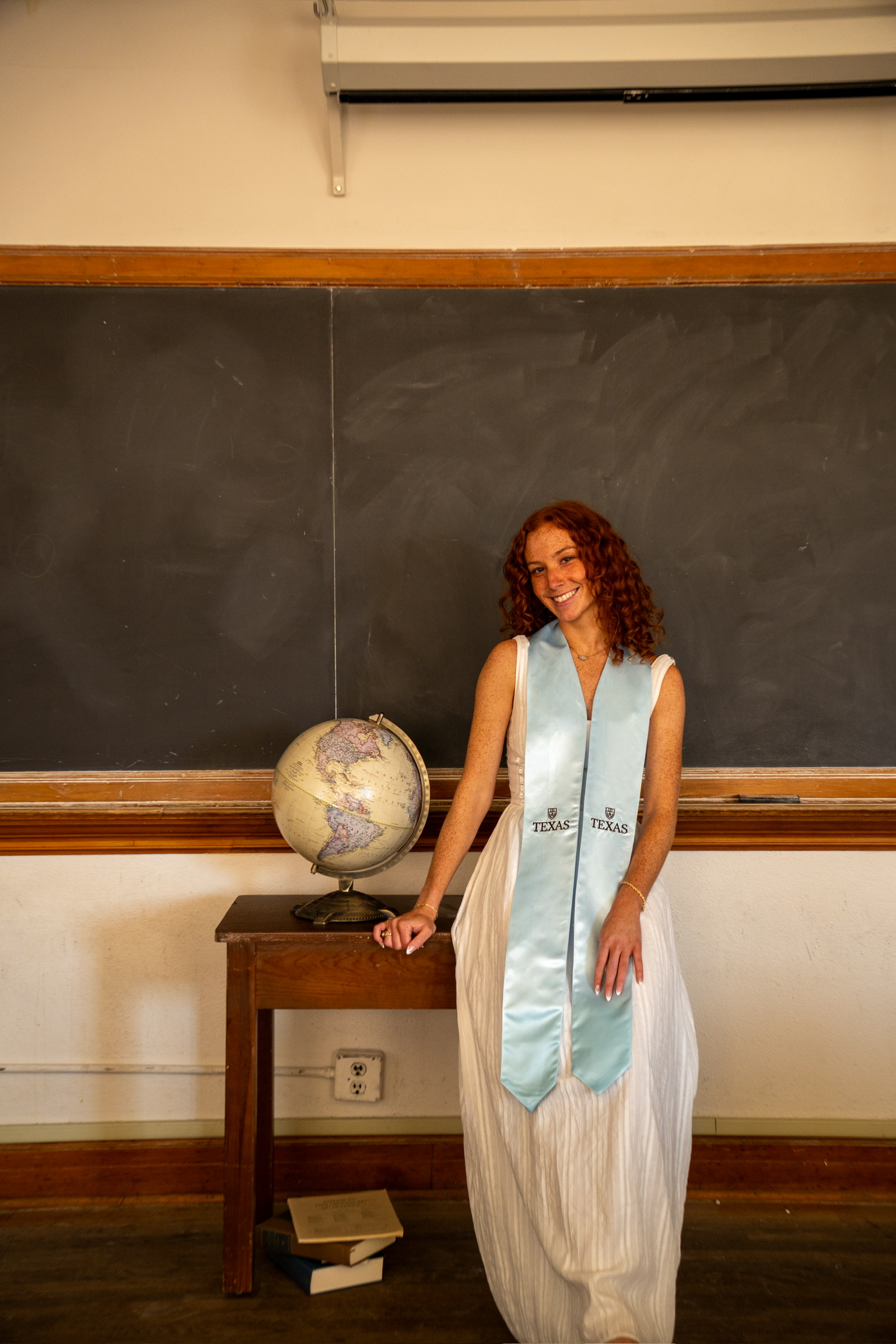
Now, as I finish my degree in Youth & Community Studies and reflect back on every class discussion, every project or paper, and every conversation, it all circles back to the same truth: creating equitable opportunities is one of the most powerful forms of prevention and empowerment. My education, my career goals, my relationships, and the way I move through the world are all shaped by the belief that change begins with awareness and connection. And awareness and connection begin with listening to the stories from those around us. So I’ll keep listening and ride for them.
I ride for all the people we’ll meet and the stories we’ll hear.
I ride for the laughter, the pain, and the hope that emerge when people feel seen.
I ride to empower others.